The Worth of a Challenge


If you give a child a fish, you feed him for a day.
If you teach a child to fish, you feed him for a lifetime.
But if you teach a child to learn, you feed him for a lifetime
and he doesn't have to just eat fish.

Showing posts with label Science. Show all posts

Wednesday, September 21, 2011

Kitchen Science: Solutions

I love using my kitchen for learning stuff. It provides a hands on experience with the best part being that the end result can be touched and or tasted. Today we talked about solutions and we didn't even need fancy pricey lab equipment. We made Koolaid and Jello and then one more solution to show insoluble solutions. 
Materials:
  • 1 large pitcher
  • 1 packet of Koolaid
  •  enough cool water to fill the pitcher
  • 1 cup sugar
  • 1 package Jello(my kids wanted the yellow kind)
  • hot and cold water as per the directions on the box
  • a small jar
  • vegetable oil
  • food coloring(any color will work except for maybe yellow)
  • a recording sheet(just some lined paper will work well and the kind with a blank area at the top is even better.

First we went over some vocabulary and wrote it on our big chart paper
  • Solution: groups of molecules that are mixed up in a completely even distribution
  • solvent: does the dissolving
  • solute: is what is dissolved
First we made the Koolaid and we added the dry ingredients into the pitcher. Then, we added the water.
 Just keep stirring, stirring, stirring.....
 Then when it was all dissolved we recorded what happened on paper. Oh and we drank the experiment!

Next, we made the Jello and showed how we can use hot water to dissolve solutes. We also practiced our spelling by labeling our hot and cold water.
 We slowly added the Jello packet and stirred showing how the heat dissolved the gelatin
 Then we added the cold water to stop the heat and start the Jello to coagulate. And now it's chilling in the fridge till desert time after dinner.

The last solution we made was in a baby food jar. I added some water and some food coloring and then a small amount of oil. I showed the kids that no matter what we did the oil will not mix with water. Even with heat the oil will still rise above the water and separate. I let them shake it and examine it and they loved seeing the bubbles rise up.

For more information on this and other great science activities for kids, check out Chem4kids.com

Monday, September 19, 2011

Weather Lesson 1 mission 1

We just are getting started on our weather unit and I am combining our lessons from the core knowledge and our missions from Jason.org for it. I am so happy to have found the wonderful blog Crazy for First Grade and using some of her great extensions as well. This can easily be adapted for grades higher and lower than the ones my kids are in by adding more objectives for learning or only picking a few.

In our first lesson we read the book Cloudy With a Chance of Meatballs. We then brainstormed about all the types of weather we know and wrote them in our science journal, which consists of notebook with printed copy of the "monster storms" cover mounted on it.

We also learned some key vocabulary words and wrote them in our journal as well.

  • Meteorologist- A scientist who studies weather
  • Atmosphere- The air in our world
  • Data- collected information
  • Weather- state of our atmosphere 
  • Storms- weather events
If you haven't already started, it's not too late, you can start teaching the kids to start noticing and collecting weather data in a basic chart and noting the temperature(we aren't doing actual temps yet, just hot warm cool or cold) Here is a great graph that you can print from teacher vision. And you can just use a piece of graph paper or large chart paper to make our temperature chart.  Next lesson will be about wind and how to collect wind data from our own home. 

Wednesday, September 7, 2011

What's new this year for science?

The Jason Project       
In my pursuit to make certain our time spent with science was hands on, fun and mentored by pros in the field, I searched the web and found the Jason Project. 

  • What is the Jason Project?- It is a multi platform learning station for kids and teachers via online that connects with the real scientists out in the field and other kids. 
  • Does it meet national and state standards of learning?- Yes! You can even tailor your missions to meet the needs of your child by grade level and state. 
  • Does it cost anything to get started?- So far my only costs have been time and a ream of paper. You can download the curriculum for free and print it. If you want more materials beyond that, they do have some for purchase. 
  • What topics do they cover?- Their missions include:
  1. Forces and Motion
  2. Geology
  3. Energy
  4. Ecology 
  5. Weather
  • Why is this worth while to the home educator?- Because I think this offers a new opportunity to connect kids to REAL science. They won't just read about it, they will get to be a part of it. I also think there is value in asking our youngest of minds for possible solutions. You don't have to be old to be smart. Also as a parent educator, I can ask the experts as well as other teachers questions I may have. They also have professional development available as well.  
  • What grades levels is Jason designed for?- as of now, it is set up for grades four through ten, but I adapt for my young children by way of dictation. I read to them any questions or materials that may be to difficult to read and I allow them to give information out loud and then type it in for them. I also allow my kids to write and draw answers on their own level on paper as well. I am choosing to jump in despite the age/grade difference because I believe there is still merit in learning this way. I am always impressed at how much my children learn and know despite their difference in reading/writing levels.
So what mission are we starting with?

Operation Monster Storms! We are going to learn about weather, weather prediction and how to improve forecasting. We will also learn about emergency preparedness. 


You can find and start your mission at www.jason.org

Friday, August 26, 2011

Unit studies for 2011-2012

We do a great deal of unit study in our classroom. I spent a great amount of time finding them or creating them and this is what I came up with for this year. The boys do the unit studies as a group lesson, but obviously will have different objectives and learning outcomes.


Science

  • Weather
  • Food pyramid and Food groups
  • Animal Families
  • Matter(solids liquids gasses)
  • Magnets
  • Famous Scientists
  • Our Systematic Body
  • Cells
  • Dental Health
  • Plants
  • Sound

History

  • Where We Live
  • Our Continents
  • The New World
  • Explorers
  • Nations of the great Continents

Literature

  • If You Gave a Mouse a Cookie / If You Gave a Pig a Pancake
  • Frog and Toad All Year
  • Dr DeSoto
  • The Tale of Peter Rabbit
  • Little Bear
  • A House For a Hermit Crab
  • Corduroy

One reason I like unit study is it allows us to study something in depth and allow it to overlap our other subjects. I will post all the projects or link to the lesson plan online so that those who wish to follow along can.

Tuesday, April 12, 2011

Animal Classification: Enrichment and Extensions: The Jungle Book

We are extremely privileged to have a very elaborate pop up version of the classic story The Jungle Book.

 The boys looked through it and enjoyed all the pop ups that really made the story come to life. 

Jacob thought the tiger was really cool, but really fierce. So we colored a picture of one to add to our animals bulletin board.
As a family we also watched the Disney cartoon The Jungle Book, which was a big hit

Saturday, April 9, 2011

We can eat a rainbow!

I am doing a health and money unit and I am getting the kids ready to be money smart and health smart. I set a really simple activity for the boys.

I pulled out the color cards from Kizclub and the bin of play food and gave the instructions to match it up and then a short explanation of why we should eat foods of different colors and why we need variety in our diet. This one was a huge success with Benji who loves our play food.

Monday, April 4, 2011

I looked out the window and what did I see?.....Our new class pet!

Introducing: "Sheldon"
My neighbor knocked on our door this morning and in her hands was a box. She informed my husband that there was a turtle in it and asked if we wanted it.
He then said "hold on, let me get my wife..." and of course I thought this would be an awesome pet for the boys. So I came inside for a moment and we already had our first adventure because he climbed out of the box during that short time and went really far down the lawn. I am just glad he didn't try to cross the street! He was very hard to find since he blends in with our landscape. We picked him up and put some big rocks in the pond for him and put him in his new home....our small pond.

I actually don't know a thing about raising turtles, but am going to after a few trips to the library. The boys are thrilled to be the proud owners of the little turtle. Let the adventure begin.

I was actually contemplating getting them a pet, but it was going to be a fish in a bowl. I have to say this has already been way more exciting. The boys are now drawing pictures and talking up a storm about their turtle and Jacob has even made one out of legos!

http://www.petturtle.com/

Wednesday, March 30, 2011

Animal Classification: Enrichment and Extensions

We have been working very steadily on our animal classification and adding to our bulletin board(which is really the bi-fold doors to the closet)
Up to now we have learned

  • the difference between living and non living things
  • kingdoms of living things
  • vertibrates and invertabrates and how to tell the difference. 
  • we have also subdivided the animal kingdom into mammals, reptiles, amphibians, birds and fish
At this point we are having fun adding extensions to our learning with lots of fun activities.

We played with puzzles to learn all about the different animals


We played folder games. The top folder games I made from Primary Partners and the bottom one came from File Folder Fun.


These were the selections pulled for silent/independent reading.

We sang Kindermusic songs about the creatures in our backyard

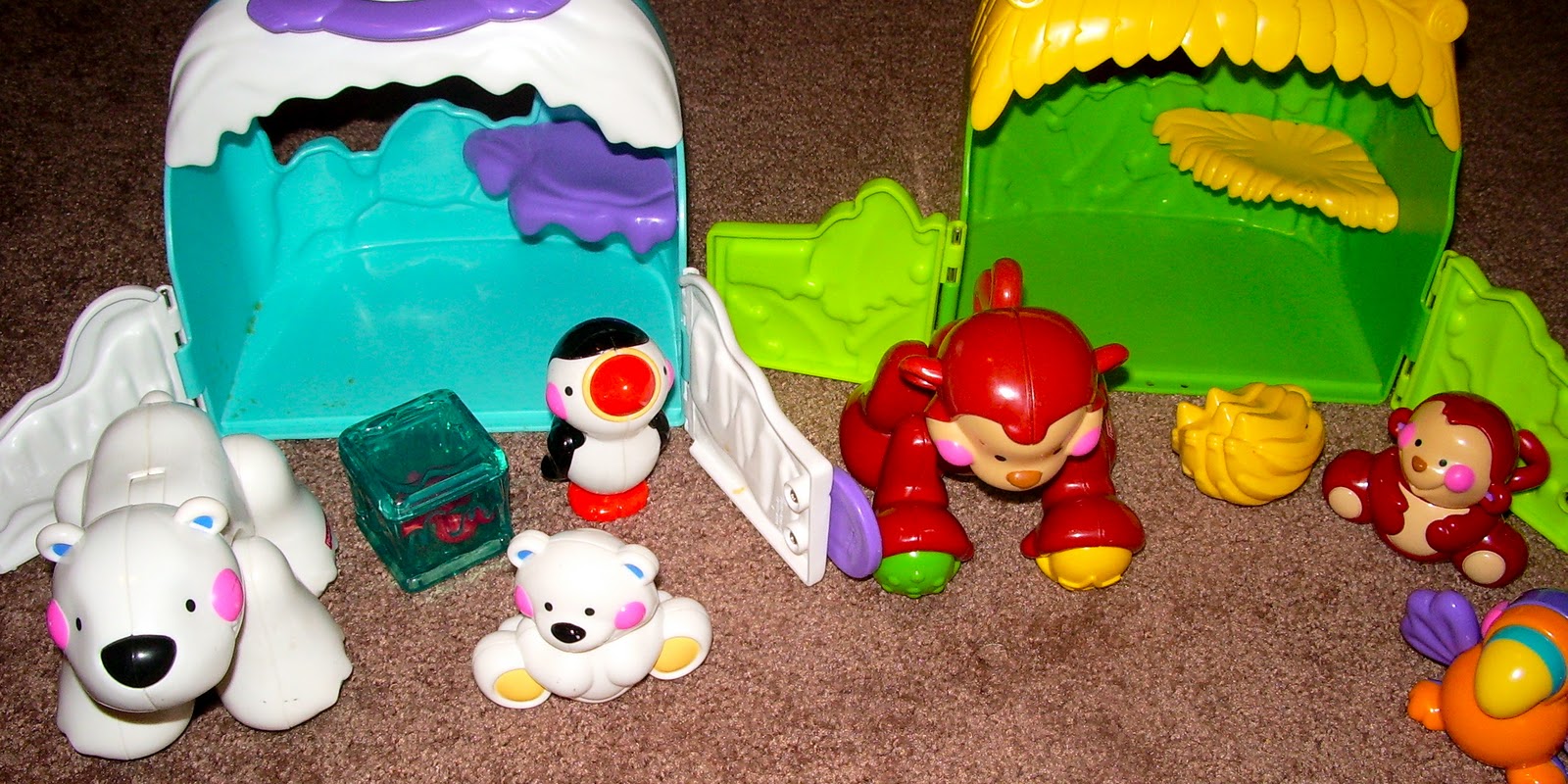
We played with animals and their habitats

We sorted mini animals into their different groups

We did our math using a barrel of monkeys(besides who says you have to count beans!)

We played fish games. (These came from Nana!)

We read the book Froggy gets Dressed. (The boys love these books, they are simple and sweet and fun)
We used the materials from Kizclub to add to our reading experience.

These activities were so fun and my kids really enjoyed them. It was also a nice way to step away from worksheets for the day.

Wednesday, March 2, 2011

Classification!

We have started a new unit, it's about classification. We are only in our second week and have completed some really fun activities.

We created a new bulletin board for our science theme. It will also serve as a place to display work and to also serve as a place to go to for finding information about the things we have learned.

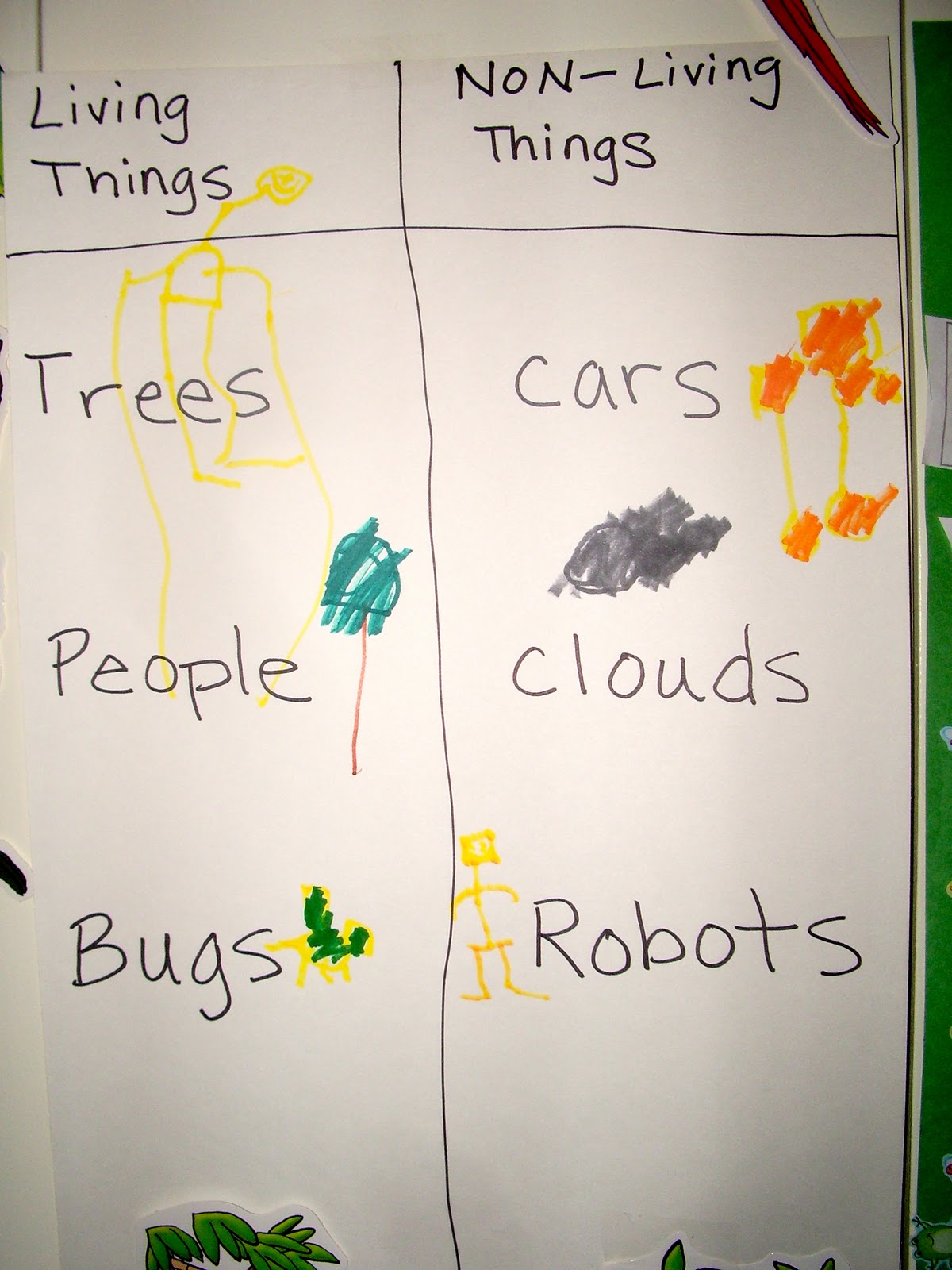
We discussed that there are living things and non living things and what makes something alive. It was amazing to hear what young children think we require to be alive. Ultimately we decided and confirmed with a nature walk, that you need food, have to grow and able to make babies to be alive.

Then we talked about how we also can classify the living things even more and broke down the living things into five kingdoms


 Today we divided even further, with classifying animals into vertibrates and invertibrates. We found our awesome cut and paste activity at super teacher worksheets and they have tons more if you want to follow along with us in this unit.

Tuesday, November 23, 2010

Astronomy: You Can Do It!

We are studying the solar system and calculated our own lunar jump right here on earth and you can too!

Supplies to do the Moon Jump

  • measuring tape
  • large sheet of paper
  • crayon/marker
  • calculator(for the younger kids)

1. We put a large sheet of paper on the wall and then jump up and put a mark where you jumped up to


2. We measured how high up the mark was.


3. We multiplied the hight by six and that is our jumping on the moon

I then tried to get Benji to play along and low and behold he just wanted to color!


*** What is your moon weight?

  1. stand on a standard scale and record your weight
  2. divide by six and that is your lunar weight!

Sunday, November 14, 2010

Space themed reading games

Keeping with the themes we are studying...I found this great folder game from file folder fun.com . It was way easy to assemble and super fun to play. My Jacob had no trouble reading and rhyming these cool space ships.


Friday, November 12, 2010

Soaring into Space!

We are moving toward outer space in our next science unit


This is the text we will be working from.


Our Science learning objectives:


How Do Scientists Study Space? 
  •  Scientists study space using instruments such as telescopes and satellites.
Moon:
  •  The moon is the only place in space where human beings have walked (besides planet Earth).
  •  There is no air, water, wind, or life on the moon, and the moon has less gravity than the Earth.
  •  The moon is made of rock and dust. 
  •  The moon orbits around the Earth and sun. 
  •  The moon looks bright because its surface is lit up by the sun (it does not make its
  • own light).
Stars:
  •  The sun is one of a vast number of stars. 
  •  Stars are burning and they create heat and light. 
  •  The sun has different layers, which are different temperatures. 
  •  Without the sun, the Earth would be frozen and could not support living things. 
  •  Stars vary in mass, temperature, color, and size (optional Home Day objective). 
  •  The color of a star depends on how hot it is (optional Home Day objective). 
  •  Star groups, called constellations, are given names to help us locate them in the
  • sky. 
  •  There are many different constellations.
Solar System:
  •  Our solar system is made up of a sun and all of the planets that go around it, their moons, and other smaller objects such as asteroids, meteors, and comets.
  •  Our solar system is a small part of a galaxy, called the Milky Way.